How AI is Changing Interior Designing
Artificial intelligence is emerging as a transformative force in interior design, reshaping how spaces are planned, visualized, and executed. Traditional design processes that relied heavily on manual effort are now evolving into automated workflows powered by advanced AI tools.
The shift is evident across the industry. Manual design is being replaced by automation, static concepts are becoming real-time visualization, and generic layouts are turning into personalized, data-driven interiors. With modern design tools, users can generate layouts, render realistic visuals, and experiment with styles more efficiently than ever before.
Core applications such as rendering, space planning, and virtual staging are enabling both professionals and non-professionals to design with greater speed and accuracy. Designers can streamline their workflow, homeowners can design their own rooms, and real estate professionals can present properties through immersive visualizations.
While AI significantly enhances creativity and efficiency, it does not replace human designers. Instead, it acts as a powerful assistant that supports better decision-making and innovation.
What AI in Interior Design Means Today
AI in interior design refers to the use of artificial intelligence, including machine learning and generative AI, to automate and enhance the design process. These systems use algorithms and data to analyze spaces, generate layouts, and create visually realistic design outputs.
The field has evolved significantly from traditional manual methods to CAD-based tools, and now to AI-powered design systems that enable faster and more efficient workflows. Today, AI can perform tasks such as space analysis, rendering, and personalization with a high level of accuracy.
In modern design workflows, AI plays a critical role by enabling real-time visualization, data-driven decision-making, and automated design suggestions. This allows designers and users to create, modify, and optimize interiors more efficiently while maintaining control over the creative process.
How AI is Used in Interior Designing
AI is widely used in interior design to enhance workflows through automation, visualization, and data-driven decision-making. Modern AI tools can analyze spaces, generate layouts, and render realistic designs, making the process faster and more efficient. From space planning to personalization, AI enables designers and homeowners to create optimized and visually appealing interiors with minimal manual effort.
How AI analyzes space, layout, and user preferences
AI processes inputs such as room images, floor plans, and user preferences to understand spatial relationships and functional needs. By analyzing data, it can interpret user behavior and design requirements, enabling accurate and user-centric design suggestions.
AI-powered space planning and layout optimization
AI automates furniture placement and layout design by evaluating space constraints and usage patterns. It optimizes layouts for functionality, flow, and efficiency while generating multiple layout variations to suit different needs.
AI-driven color, material, and style selection
AI recommends suitable color palettes, materials, and design styles based on user preferences and current trends. It ensures visual harmony by aligning textures, finishes, and aesthetics within a cohesive design.
Real-time visualization, rendering, and virtual staging
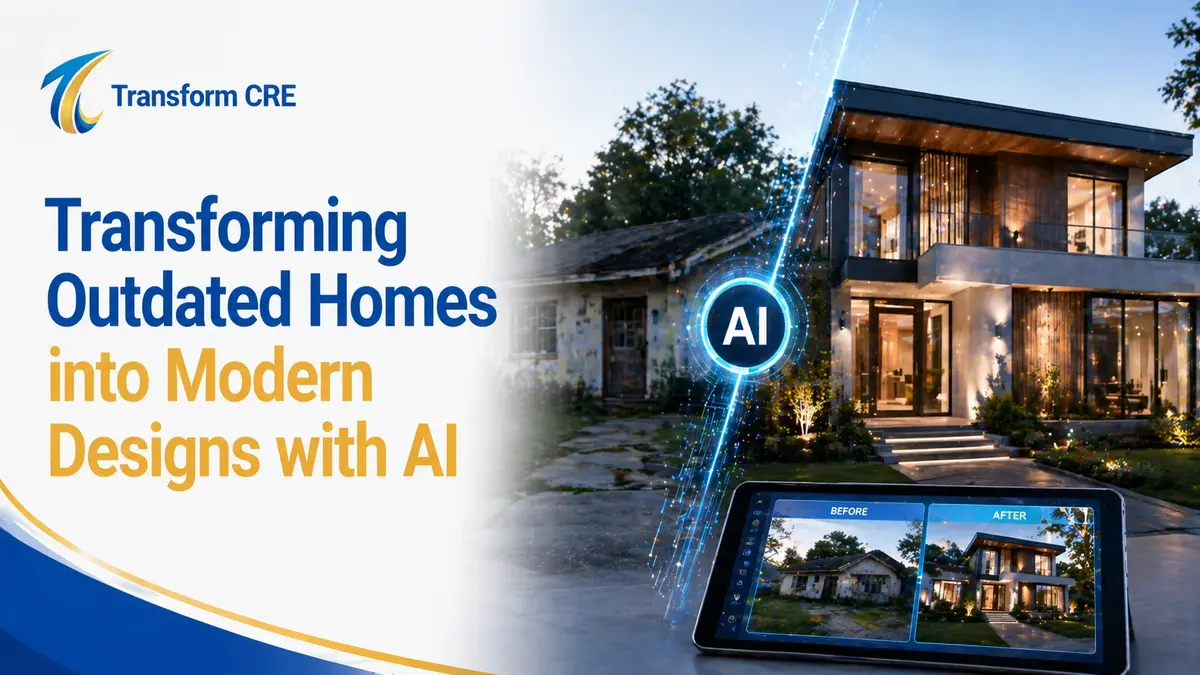
AI tools generate photorealistic renders and 3D visualizations that allow users to preview spaces before implementation. Virtual staging enables realistic before-and-after comparisons, especially useful in real estate and renovation projects.
Personalization using user data and design preferences
AI delivers customized interior design solutions by analyzing user data and preferences. This allows for adaptive designs that reflect individual styles while improving the overall user experience.
How to Use AI in Interior Designing (Step-by-Step Guide)
Using AI in interior design involves a simple and structured process that moves from input to execution. With modern AI tools, both beginners and professionals can design, visualize, and refine spaces efficiently. The process typically includes providing inputs, generating layouts, refining outputs, and applying the final design.
How to design a room from scratch using AI
Start with an empty space or a concept idea. Input your preferred layout, design style, and functional requirements into an AI tool. The system will generate complete room designs, including furniture placement, color schemes, and layout variations, allowing you to choose the most suitable option.
How to redesign or remodel an existing space
Upload an image or floor plan of your current space into the AI platform. Apply new styles, furniture, or layout changes based on your needs. The AI will transform the space and provide before-and-after visualizations to help you evaluate the redesign.
Required inputs: images, dimensions, prompts, preferences
Accurate inputs are essential for high-quality results. Provide room images, dimensions, and clear design prompts along with your style preferences. Well-defined inputs enable the AI to generate more precise and relevant design outputs.
Iterating and refining AI-generated designs
After generating initial designs, refine them by adjusting prompts and exploring multiple variations. Compare outputs, modify elements, and combine AI suggestions with human judgment to achieve an optimized and personalized final design.
AI Interior Design Tools Transforming the Industry
AI tools are the core drivers behind the transformation of modern interior design. These platforms combine automation, visualization, and personalization to streamline the entire design workflow. With advanced interior design software and rendering platforms, users can generate layouts, visualize spaces, and customize designs with speed and accuracy. As a result, AI tools are increasingly adopted by designers, homeowners, and businesses to improve efficiency and deliver high-quality design outcomes.
Types of AI tools (room design, home design, full-property design)
AI tools can be categorized based on their scope and functionality. Room design tools focus on single spaces such as bedrooms or living rooms. Home design tools handle multiple rooms and overall layout planning. Full-property design platforms extend beyond interiors to include exterior and architectural elements, making them suitable for large-scale projects and property development.
Features of modern AI design platforms
Modern AI design platforms offer features such as 3D rendering, real-time visualization, and customizable design options through prompt-based inputs. These tools are typically user-friendly and integrate with product libraries, allowing users to experiment with furniture, materials, and styles while maintaining an efficient and automated workflow.
AI home design vs traditional design software
AI home design tools differ significantly from traditional software like CAD. AI platforms are automated, faster, and easier to use, enabling users to generate designs with minimal effort. In contrast, traditional design software requires manual input, technical expertise, and more time. AI improves workflow efficiency while still allowing flexibility and control over the final design output.
AI for Room Design, Redesign, and Remodeling
AI enables end-to-end transformation in interior design by combining automation, rendering, and intelligent layout generation. With advanced AI tools, users can design rooms from scratch, redesign existing spaces, or plan full home remodeling projects with speed and precision. These systems simplify the design process by generating layouts, visualizing changes, and optimizing spaces based on user input.
How AI designs a room instantly
AI can generate complete room layouts instantly using prompts or uploaded images. By applying predefined design styles and data-driven models, it creates multiple layout options within seconds, allowing users to quickly visualize and select the most suitable design.
AI-powered room redesign and upgrades
AI tools transform existing spaces by applying new layouts, furniture arrangements, and design styles. This allows users to upgrade rooms without manual redesign, supported by clear before-and-after visualizations for better decision-making.
AI in full home and property remodeling
AI extends beyond single rooms to support full home and property remodeling. It enables users to redesign multiple spaces while considering both structural and aesthetic elements, making it valuable for renovation planning and real estate projects.
Benefits of instant AI-generated layouts
Saves time by automating repetitive design tasks
Reduces manual effort in layout planning and rendering
Provides quick and realistic visualization of spaces
Improves decision-making with instant design variations
Enables easy experimentation with multiple layout options
Enhances overall efficiency and optimization in the design process
AI Across Different Spaces in Interior Design
AI adapts effectively to different room types and spatial requirements by optimizing layouts, styles, and functionality based on the purpose of each space. Whether designing compact apartments or full homes, AI enables flexible and customized solutions that improve usability and aesthetics.
AI for living room design
AI focuses on creating balanced layouts by optimizing furniture placement, lighting, and decor. It suggests design styles and focal points that enhance comfort and support social interaction within the living room.
AI for kitchen design
AI combines functionality with aesthetics by optimizing kitchen layouts for efficiency. It considers factors such as workflow, storage, and appliance placement while recommending suitable materials and design styles.
AI for apartments and small spaces
For compact areas, AI emphasizes space optimization through smart layouts and multifunctional furniture. It maximizes usability, improves storage, and ensures efficient use of limited space.
AI for full house design
AI supports full house design by ensuring consistency across multiple rooms. It plans layouts, aligns design styles, and maintains a cohesive flow throughout the home while enabling large-scale visualization.
AI in Home Design vs Interior Design
AI is used in both home design and interior design, but each serves a different purpose. Home design focuses on the structural and architectural aspects of a space, while interior design focuses on layout, aesthetics, and decoration. Understanding this distinction helps users choose the right AI tools based on their project needs. At the same time, both areas increasingly overlap, allowing for more integrated and efficient design workflows.
Difference between home design AI and interior design AI
Home design AI focuses on structure, floor plans, and architecture, including walls, layouts, and overall building design. In contrast, interior design AI focuses on decor, furniture, color palettes, and room layout. The difference lies in scope, tools used, and the type of output generated.
When to use each approach
Home design AI is best suited for new construction, extensions, and structural planning. Interior design AI is more appropriate for styling spaces, redesigning rooms, and updating decor. The choice depends on the stage of the design process and the specific goals of the project.
Overlap between architecture and interior design
Both home design and interior design intersect in space planning and layout decisions. AI helps connect structural elements with interior aesthetics, enabling more cohesive and integrated design solutions across the entire project.
AI in Architecture and Interior Design Integration
AI is bridging architecture and interior design by integrating structural planning with aesthetic decision-making. It enables unified design workflows where space planning, layout, and visualization are handled within a single system, improving efficiency and consistency across projects.
How architects and interior designers use AI collaboratively
AI tools allow architects and interior designers to work on shared platforms where floor plans, 3D models, and design concepts are synchronized. Architects can define structural elements such as walls and layouts, while interior designers refine aesthetics like furniture, materials, and lighting. This collaborative workflow improves coordination, reduces design conflicts, and ensures that both functional and visual requirements are aligned from the early stages of the project.
AI in end-to-end design workflows
AI supports the entire design process, from initial concept and space planning to rendering and final execution. It automates transitions between stages, allowing designers to generate layouts, visualize outcomes, and refine designs within a continuous workflow. This reduces delays, minimizes errors, and streamlines project management by keeping all design elements connected and adaptable.
Unifying structural and aesthetic planning
AI connects architectural floor plans with interior layouts by aligning structure with design intent. It ensures that elements such as room dimensions, furniture placement, lighting, and materials work together cohesively. This integration enhances both functionality and aesthetics, resulting in spaces that are not only visually appealing but also practical and well-optimized.
Real-world use cases of AI in architecture + interiors
AI is widely applied in residential design, real estate visualization, and renovation projects. It is used for generating 3D models, creating virtual staging for property marketing, and simulating design concepts before construction. These applications help designers and clients visualize outcomes, make informed decisions, and execute projects more efficiently.
Benefits of Using AI in Interior Designing
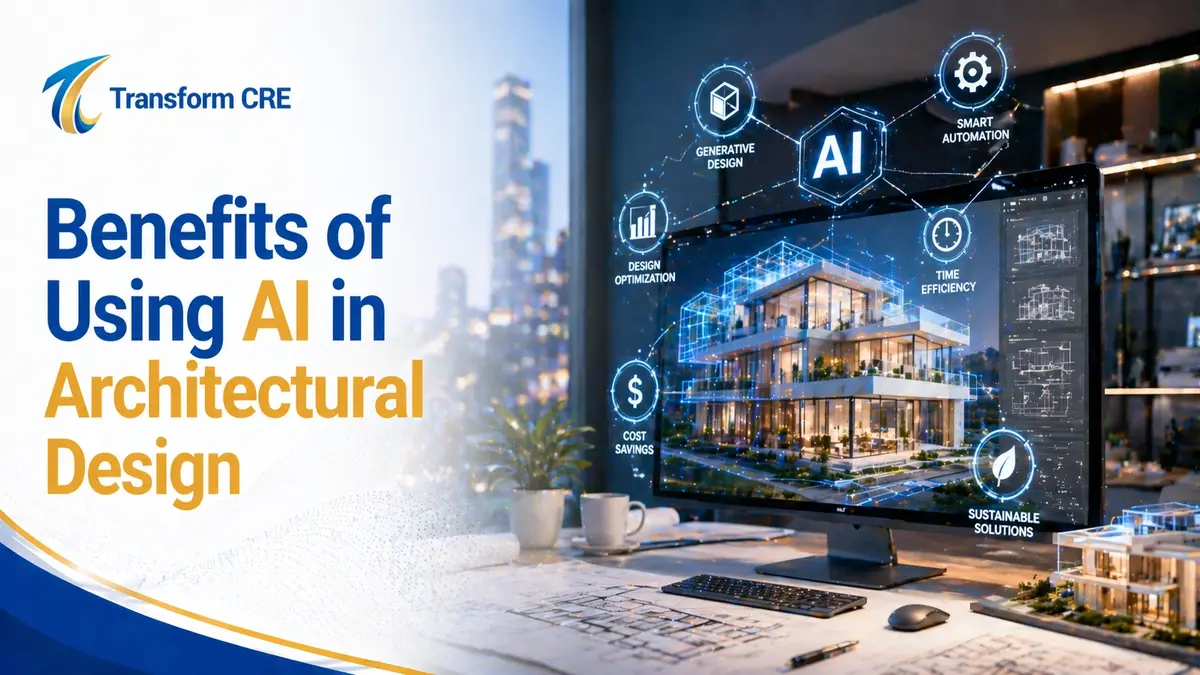
AI enhances interior design by improving efficiency, creativity, cost-effectiveness, and decision-making. It supports the design workflow by automating processes, improving visualization, and enabling more accurate and scalable outcomes.
Speed and efficiency improvements
AI improves efficiency by automating key tasks such as space planning, layout generation, and rendering. Instead of manually creating multiple design drafts, designers can generate and evaluate several layout options in seconds. This significantly reduces project timelines, streamlines the workflow, and allows faster execution from concept to final design.
Enhanced creativity and experimentation
AI expands creative possibilities by allowing designers to explore multiple design styles, layouts, and material combinations. It generates diverse design variations that encourage experimentation and help refine ideas. This supports innovation by enabling designers to test concepts quickly and develop more unique and well-thought-out interiors.
Cost reduction and accessibility
AI reduces costs by minimizing the need for manual work, physical prototypes, and expensive design revisions. It also makes interior design more accessible to non-professionals by providing user-friendly tools that simplify complex processes. This allows homeowners and small businesses to create high-quality designs without significant investment.
Improved client communication and visualization
AI-powered visualization tools produce realistic and detailed renders that help clients clearly understand design concepts before implementation. This improves communication between designers and clients, aligns expectations early in the process, and reduces the likelihood of revisions or misunderstandings.
Data-driven design decisions
AI uses data analysis and algorithms to guide decisions related to layout, materials, and design styles. By evaluating user preferences and design patterns, it provides more accurate and reliable recommendations. This reduces guesswork and supports more informed, evidence-based design decisions.
Limitations and Challenges of AI in Interior Design
While AI offers significant advantages in interior design, it also comes with important limitations. Understanding these challenges is essential for maintaining quality, originality, and ethical responsibility. AI should be seen as a support system that requires human oversight rather than a complete replacement for professional expertise.
Lack of human intuition and emotional depth
AI lacks human intuition, emotional understanding, and the ability to interpret personal context. Interior design often involves creating spaces that reflect lifestyle, culture, and individual preferences, which require human-centered thinking. While AI can generate visually appealing layouts, it may struggle to deliver meaningful and emotionally resonant designs that align with deeper user needs.
Accuracy and realism limitations
AI-generated designs can sometimes produce inaccurate or unrealistic results, particularly in areas such as proportions, lighting, and material representation. Rendering outputs may look visually convincing but may not always be practical or feasible in real-world execution. This makes it necessary for designers to review and validate AI outputs before implementation.
Dependence on data quality and algorithms
AI systems rely heavily on training data and algorithms to generate results. If the data is limited, biased, or outdated, the output quality may be affected. The effectiveness of AI in interior design depends on how well the underlying models are trained, making data quality a critical factor in achieving accurate and reliable designs.
Risks of over-reliance on AI tools
Over-reliance on AI tools can reduce creative thinking and lead to repetitive or generic design outcomes. Designers who depend too much on automation may lose the ability to develop original concepts or critically evaluate design decisions. Maintaining a balance between AI assistance and human creativity is essential for producing unique and high-quality designs.
Ethical concerns (data, originality, sustainability)
AI raises ethical concerns related to data privacy, intellectual property, and sustainability. Design outputs may unintentionally replicate existing work, raising questions about originality and ownership. Additionally, AI systems require significant computational resources, which can have environmental implications. Responsible use of AI is necessary to address these ethical challenges.
Learning AI for Interior Design (Skills & Courses)
As AI becomes a core part of modern interior design, developing AI-related skills is increasingly important for designers. Understanding how to use AI tools, interpret outputs, and integrate them into the design workflow allows professionals to work more efficiently and stay competitive. AI literacy is no longer optional but a valuable skill for future-ready designers.
Skills required to use AI tools effectively
To use AI tools effectively, designers need a combination of design knowledge and technical understanding. This includes fundamentals such as space planning, layout design, and color theory, along with the ability to navigate AI platforms and workflows. Designers must also be able to evaluate and refine AI-generated outputs to ensure they meet functional and aesthetic requirements.
AI interior design courses and learning resources
There are various courses, tutorials, and learning platforms that focus on AI in interior design. These resources cover topics such as design automation, 3D visualization, and tool-specific training. Continuous learning is essential, as AI tools and technologies evolve rapidly, requiring designers to regularly update their skills.
Prompt engineering for design tools
Prompt engineering plays a key role in achieving accurate results from AI tools. Writing clear, descriptive prompts using proper design terminology helps guide the system to generate relevant outputs. Iterating and refining prompts allows designers to improve results and achieve more precise and customized designs.
Should designers learn AI or not?
Learning AI is increasingly important for interior designers, as it enhances productivity and expands creative possibilities. AI should be viewed as a complementary skill that supports the design process rather than replacing it. Designers who adopt AI tools are better positioned to adapt to industry changes and remain competitive in a technology-driven environment.
Future of AI in Interior Designing
The future of AI in interior design is focused on creating more intelligent, adaptive, and integrated design systems. As technologies evolve, AI will continue to reshape how spaces are designed, visualized, and experienced. From generative design to smart environments, AI is expected to play a central role in both professional workflows and everyday home design, while still requiring human creativity and oversight.
How AI will evolve in home and space design
AI will become more accurate and context-aware, enabling design systems to better understand spatial requirements, user preferences, and functional needs. It will integrate more deeply into end-to-end design workflows, allowing seamless transitions from concept to execution. As tools become more accessible, both professionals and homeowners will increasingly rely on AI for efficient and scalable design solutions.
Generative AI and immersive design (AR/VR)
Generative AI will enable instant creation of design concepts based on simple inputs, producing multiple layout and style variations. When combined with AR and VR technologies, users will be able to experience immersive, real-time visualizations of their spaces. This allows for interactive design exploration, where users can modify layouts, materials, and aesthetics within a virtual environment.
AI in smart homes and adaptive environments
AI will play a key role in smart homes by creating interiors that adapt to user behavior and preferences. Integrated with IoT systems, AI can control lighting, temperature, and spatial configurations dynamically. This leads to adaptive environments where design is not static but continuously optimized for comfort, functionality, and efficiency.
Will AI fully automate interior design?
AI is unlikely to fully automate interior design, as human creativity, intuition, and contextual understanding remain essential. Instead, AI will act as a powerful assistant that enhances the design process. The future lies in collaboration, where designers use AI to improve efficiency and innovation while maintaining control over creative and strategic decisions.
Frequently Asked Questions
Can AI design a room for free?
Yes, many AI interior design tools offer free versions that allow users to design and visualize rooms. These tools can generate layouts, suggest design styles, and create basic renderings. However, advanced features such as high-quality rendering, full home design, or customization options are often available in paid plans.
Is AI interior design accurate?
AI interior design can produce accurate and realistic results, especially in layout planning and visualization. However, the accuracy depends on the quality of inputs such as room dimensions, images, and prompts. While AI-generated designs are useful for planning and inspiration, they should be reviewed and validated before real-world implementation.
Can AI replace interior designers?
AI cannot fully replace interior designers. While it can automate tasks, generate layouts, and improve efficiency, it lacks human creativity, intuition, and contextual understanding. Interior designers play a critical role in creating personalized, functional, and meaningful spaces, making AI a supportive tool rather than a replacement.