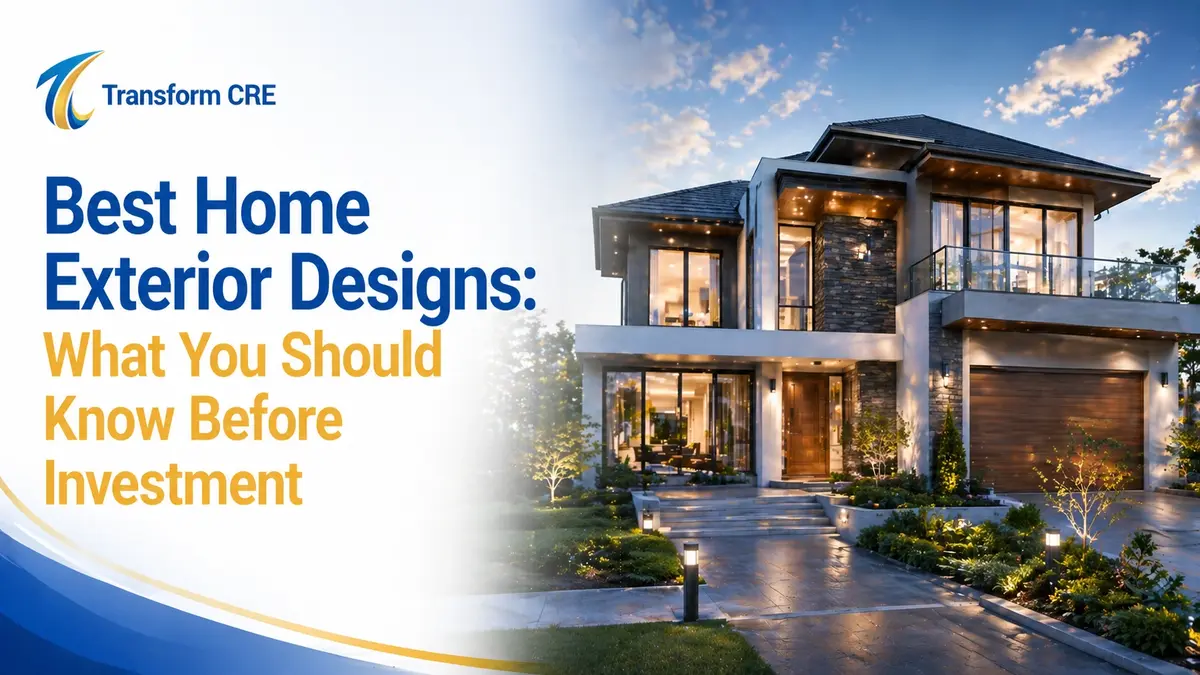
Best Home Exterior Designs: What You Should Know Before Investment
The best home exterior designs represent a complete system where architecture, materials, structure, and environment work together to create a cohesive and high-performing facade. A well-developed home exterior design is not limited to visual appearance; it defines how a house functions, adapts to climate, and maintains long-term value through its materials, layout, and overall composition.
When evaluating the best exterior design for a home, it is important to consider how different elements such as siding, roof structure, windows, entryway, lighting, and landscaping connect and support each other. Strong curb appeal comes from this integration, not from isolated features. Whether analyzing modern home exterior design, exploring exterior house ideas, or comparing exterior home styles, the focus should remain on balance, proportion, and durability.
The best home exterior design is achieved when visual harmony, climate-responsive materials, and functional planning are combined into a unified structure. This approach ensures that the exterior remains aesthetically strong, structurally sound, and adaptable over time.
What Defines the Best Home Exterior Design?
The best home exterior design is defined by how effectively it integrates aesthetics, materials, structure, and environmental response into a cohesive system. A high-quality exterior is not only visually appealing but also functional, durable, and adaptable to its surroundings. The best exterior design for home ensures strong curb appeal while maintaining balance, proportion, and long-term performance across all components.
Key factors that determine exterior design quality
The quality of a home exterior design depends on multiple interconnected factors. Architectural style establishes the identity, while materials such as brick, stone, stucco, and siding influence durability and texture. Structural layout determines proportion and alignment, ensuring that elements like windows, doors, and rooflines are properly positioned. Usability is equally important, as the design must be practical, easy to maintain, and suitable for everyday use. The best house exterior design is achieved when all these factors are combined into a unified and functional composition.
Visual appeal, symmetry, and architectural harmony
Visual appeal is driven by symmetry, proportion, and alignment. A well-balanced facade creates architectural harmony by ensuring that all elements work together cohesively. Features such as windows, entryways, columns, and trim should follow consistent spacing and design language. Whether working with modern home exterior design or classic exterior styles, maintaining harmony across the facade enhances curb appeal and creates a refined and stable appearance.
Functionality, climate adaptability, and durability
A strong exterior design must perform well in different environmental conditions. Climate plays a key role in selecting materials and construction methods that ensure durability and efficiency. For example, certain siding materials perform better in humid conditions, while others are more suitable for extreme temperatures. A functional exterior reduces maintenance requirements, improves energy efficiency, and maintains its appearance over time. This makes durability and climate adaptability essential components of the best exterior home design.
Balancing aesthetics with practicality
The best home exterior design balances visual appeal with practical use. Overly complex designs with excessive materials or decorative elements can reduce cohesion and increase maintenance costs. A more effective approach is to simplify the structure while maintaining strong visual impact through proportion, material selection, and clean composition. Practical design choices ensure that the exterior remains efficient, durable, and visually appealing over the long term.
Popular Home Exterior Design Styles
Home exterior design styles define the visual identity, structure, and material composition of a house. Each style uses a specific combination of facade elements, materials, and proportions to create a distinct appearance and functional outcome. Understanding these exterior home styles helps in selecting the best home exterior design based on context, climate, and personal preference.
Modern home exterior design characteristics
Modern home exterior design is defined by clean lines, geometric forms, and minimal detailing. It emphasizes open structure, large windows, and a strong connection between indoor and outdoor space. Materials such as glass, steel, and concrete are commonly used to create a sleek and functional facade. Neutral color palettes and simple compositions help maintain a balanced and refined appearance. This approach focuses on efficiency, clarity, and contemporary aesthetics.
Traditional and classic house exteriors
Traditional and classic house exteriors are built around symmetry, proportion, and detailed architectural elements. These designs often include brick or wood siding, pitched roofs, columns, and decorative trim. The facade is structured to create a sense of order and familiarity, making it a timeless choice. Classic exterior house design emphasizes stability, elegance, and consistency across all elements.
Cottage and farmhouse exterior styles
Cottage style homes exteriors and farmhouse designs focus on natural materials, simple structure, and inviting features. Elements such as porches, gable roofs, and soft color palettes create a warm and approachable appearance. Wood, stone, and textured finishes are often used to enhance the rustic character. These styles prioritize comfort, simplicity, and a strong connection to natural surroundings.
Contemporary and transitional home designs
Contemporary and transitional home designs combine elements from both modern and traditional styles. This approach allows flexibility in materials, layout, and facade composition. A modern transitional home exterior may include clean lines with subtle detailing or a mix of textures to create balance. These designs adapt to different preferences while maintaining a cohesive and functional structure.
Modern Home Exterior Designs
Modern home exterior designs focus on simplicity, structure, and material efficiency. This approach emphasizes clean geometry, minimal ornamentation, and the strategic use of materials to create a cohesive and functional facade. As one of the most dominant exterior home styles, modern home exterior design adapts easily to different scales, from simple layouts to high-end luxury compositions.
What defines a modern home exterior
A modern home exterior is defined by clean lines, geometric forms, and an open structural layout. Large windows are a key feature, allowing natural light to enter while visually connecting indoor and outdoor spaces. The facade avoids unnecessary decoration, focusing instead on proportion, alignment, and material contrast. This results in a clear, functional design where each element contributes to the overall composition.
Minimalist and simple modern house designs
Minimalist and simple modern house exterior designs reduce the number of elements to achieve clarity and balance. Limited materials, neutral color palettes, and flat or clean facades create a streamlined appearance. By avoiding excessive detailing, the design becomes more efficient and easier to maintain. This approach highlights how simplicity can improve both visual quality and functionality in home exterior design.
Modern luxury exterior concepts
Modern luxury home exterior design builds on minimal principles but introduces scale, premium materials, and refined detailing. Materials such as glass, stone, and metal are combined to create depth and contrast. Large entryways, expansive windows, and integrated outdoor spaces enhance both visual impact and usability. These features create a distinctive and high-end facade that reflects both design quality and exclusivity.
Exterior color palettes, materials, and finishes
Color palettes, materials, and finishes play a central role in defining modern home exteriors. Neutral tones such as white, black, and grey are commonly used to establish a balanced base. These are often combined with materials like concrete, wood, and glass to create contrast and texture. Matte surfaces, textured finishes, and layered material combinations add depth to the facade, resulting in a cohesive and visually structured design.
Best Exterior Design Ideas for Homes
The best exterior design ideas for homes focus on improving curb appeal through a combination of facade composition, lighting, color coordination, and architectural detailing. A strong home exterior design is achieved by layering elements such as materials, structure, and landscape to create a cohesive and visually balanced result. These exterior house ideas help transform a basic structure into a refined and functional space.
Front elevation and façade design ideas
Front elevation is the most critical part of a home exterior design because it defines the first impression. A well-structured facade should include a clear focal point, typically the front door, supported by symmetry and proportion. Layering materials such as brick, stone, or siding adds depth and texture, while maintaining alignment between windows, doors, and rooflines ensures balance. A strong elevation enhances curb appeal and establishes the architectural identity of the home.
Exterior lighting and landscaping concepts
Lighting and landscaping play a key role in enhancing both function and visual appeal. Exterior lighting highlights architectural features, improves visibility, and adds depth to the facade. Pathway lighting, accent lighting, and entry lighting can be used to define structure and guide movement. Landscaping elements such as plants, trees, and garden layouts soften the built environment and create a natural transition between the home and its surroundings. Together, they create a more inviting and well-integrated exterior space.
Color combinations and visual themes
Color selection is essential in shaping the overall appearance of a home exterior. Neutral palettes provide a timeless and balanced look, while bold contrasts can create a more distinctive and modern identity. Coordinating colors across walls, trim, roof, and accents ensures visual harmony. The right paint color not only enhances materials and textures but also reinforces the chosen architectural style.
Decorative features and architectural enhancements
Decorative features and architectural enhancements add character and definition to the exterior. Elements such as columns, shutters, trim, and entryway accents help highlight key areas of the facade. Material contrasts and subtle detailing can improve depth without overwhelming the design. When applied thoughtfully, these enhancements strengthen the overall composition and elevate the visual quality of the home exterior design.
Exterior Design Ideas Based on Home Size
Exterior design must adapt to the size and spatial constraints of a home. Whether working with a compact layout or a narrow plot, the goal is to maintain proportion, optimize space, and create a cohesive facade. The best exterior design ideas for home size focus on simplicity, structure, and visual techniques that enhance both functionality and appearance.
Exterior design ideas for small houses
Small house exterior design benefits from simple forms and clean facades. Using fewer materials and limiting decorative elements helps maintain clarity and avoid visual clutter. Light color palettes, minimal trim, and balanced proportions create a more open and cohesive look. A compact home exterior design should focus on efficiency, where each element contributes to both aesthetics and usability.
Making small home exteriors look bigger
Design techniques can be used to increase the visual scale of a small home. Vertical lines and structural elements draw the eye upward, creating a sense of height. Light and neutral color palettes reflect more light, making the facade appear more spacious. Larger windows and open facade designs also enhance the perception of space by improving visibility and connection to the outdoors. These strategies help optimize the visual impact without changing the physical structure.
Solutions for narrow or urban plots
Homes on narrow or urban plots require efficient design and careful layout planning. Vertical structure, stacked elements, and aligned facade components help maximize limited width. Entryways should be clearly defined, and pathways should support smooth movement. Landscaping should remain simple and space-efficient to avoid overcrowding. By focusing on proportion and alignment, exterior home design can adapt effectively to constrained spaces while maintaining both functionality and visual balance.
Simple and Budget-Friendly Exterior Designs
Simple and budget-friendly exterior designs focus on achieving strong visual results with efficient use of materials and cost control. A well-planned home exterior design does not require expensive elements to create impact. Instead, it relies on clear structure, minimal detailing, and smart material selection to improve curb appeal while maintaining affordability and long-term performance.
Simple exterior design ideas for homes
Simple exterior design ideas for homes are based on clean forms, balanced proportions, and uncluttered facades. Using basic shapes and limiting the number of design elements helps create a cohesive and organized appearance. A restricted color palette further enhances clarity and consistency. Functional layouts and minimal detailing ensure that the design remains practical, efficient, and visually appealing without unnecessary complexity.
Low-cost materials with high visual impact
Material selection plays a critical role in budget-friendly exterior design. Options such as paint, vinyl siding, fiber cement, and basic wood can deliver strong visual results at a lower cost. Combining affordable materials to create contrast and texture can enhance the facade without increasing expenses. Focusing on key areas such as the front elevation and entryway ensures that the most visible parts of the home receive the greatest visual improvement.
Minimalist and practical exterior solutions
Minimalist exterior solutions combine simplicity with functionality to reduce both initial costs and long-term maintenance. By minimizing decorative features and focusing on durable materials, the design becomes more efficient and easier to maintain. Clean lines, practical layouts, and thoughtful material choices ensure that the exterior remains both visually balanced and cost-effective over time.
Luxury and Beautiful Home Exterior Designs
Luxury and beautiful home exterior designs focus on creating a strong architectural presence through scale, refined materials, and cohesive composition. A high-end home exterior design is not defined only by appearance, but by how well materials, structure, lighting, and landscaping work together to create a distinctive and durable facade. The goal is to achieve a balance between elegance, functionality, and long-term value.
What defines a luxury home exterior
A luxury home exterior is defined by proportion, scale, and material quality. Larger structures with well-balanced layouts create a strong visual foundation, while premium materials such as stone, glass, and high-quality wood enhance durability and appearance. A clear architectural identity, supported by consistent design elements, ensures that the facade remains cohesive and visually refined. Luxury is achieved through attention to detail, material selection, and overall composition.
Premium features and architectural elements
Premium features and architectural elements elevate the overall exterior design. Large windows improve natural light and create openness, while grand entryways establish a clear focal point. Structural features such as columns, extended rooflines, and integrated outdoor spaces like patios or terraces enhance both function and design. These elements work together to create a distinctive exterior that reflects quality and thoughtful planning.
Enhancing beauty with lighting, colors, and landscaping
Lighting, color, and landscaping play a critical role in enhancing the final appearance of a home exterior. Layered lighting highlights architectural features and improves visibility, while coordinated color palettes maintain harmony across the facade. Landscaping elements such as trees, plants, and structured garden layouts soften the structure and add depth. When these components are aligned, they create a cohesive and visually appealing exterior that enhances both beauty and usability.
Key Elements That Enhance Exterior Design
The strength of a home exterior design depends on how well its core elements are selected, structured, and integrated. Materials, facade detailing, roof composition, and finishes all contribute to the overall appearance and performance of the home. A well-designed exterior is achieved when these elements work together to create a cohesive, durable, and visually balanced structure.
Siding, cladding, and exterior materials
Siding and cladding define both the appearance and durability of a home exterior. Materials such as brick, stone, wood, and stucco provide different textures and architectural styles. The choice of materials should align with climate conditions to ensure long-term performance and reduced maintenance. Combining materials can add depth and contrast, but they must be used in a balanced way to maintain cohesion across the facade.
Windows, doors, and façade detailing
Windows and doors play a key role in shaping the facade and establishing focal points. Proper placement and proportion ensure visual balance, while the front door often serves as a central design feature. Detailing elements such as trim, frames, shutters, and accents help refine the overall composition. These components not only improve aesthetics but also contribute to functionality and usability.
Roof styles, structure, and composition
The roof is a defining structural element that influences the overall silhouette of the home. Different roof styles, such as flat, gable, or hip, create distinct visual effects and functional benefits. The roof must align with the facade in terms of proportion and design to maintain balance. A well-integrated roof structure enhances both the architectural identity and the durability of the home.
Textures, finishes, and layered design
Textures and finishes add depth and visual interest to the exterior. Combining smooth and textured surfaces creates contrast, while layered design approaches help break up flat or uniform facades. The use of different finishes across materials enhances the overall composition without overwhelming the design. A well-layered exterior creates a more dynamic and cohesive appearance while maintaining clarity and structure.
How to Design the Exterior of a Home (Step-by-Step)
Designing a home exterior requires a structured approach that connects style, materials, layout, and functionality into a cohesive system. A well-planned exterior design ensures that all elements, from facade composition to landscaping, work together to improve curb appeal, durability, and long-term value. Following a clear step-by-step process helps create a balanced and effective result.
Planning your exterior house design
The first step in designing the exterior of a house is defining the architectural style and overall design direction. Whether choosing modern home exterior design, traditional styles, or a transitional approach, the style should align with the property type and surroundings. Budget and project constraints must be considered early to guide material selection and design complexity. Climate conditions also play a critical role, as they influence durability, maintenance, and performance. Proper planning ensures that the design is both practical and adaptable.
Step-by-step design process
A structured design process begins with selecting a clear style that defines the visual identity of the home. The next step is choosing materials and color palettes that match both aesthetics and environmental conditions. Once materials are defined, the facade and structural layout should be developed with a focus on proportion, symmetry, and balance. After the main structure is established, elements such as lighting, landscaping, and entryway features are added to enhance curb appeal and functionality. This step-by-step approach ensures that all components are integrated into a cohesive exterior design.
Common mistakes to avoid
Common mistakes in exterior design can reduce both visual quality and performance. Overcomplicating the facade with too many materials or decorative elements can create a cluttered and inconsistent appearance. Poor material or color selection may affect durability and disrupt design harmony. Ignoring proportion and alignment can lead to imbalance in the overall structure. Avoiding these mistakes helps maintain a clear, cohesive, and functional home exterior design that performs well over time.
Exterior Home Renovation and Makeover Ideas
Exterior home renovation focuses on improving both the visual appearance and functional performance of a property. A well-executed exterior home makeover enhances curb appeal, updates outdated materials, and strengthens the overall structure. By combining strategic upgrades with cohesive design decisions, homeowners can transform an existing facade into a more modern, durable, and visually balanced exterior.
Exterior makeover strategies
Effective exterior makeover strategies begin with targeted updates that create noticeable improvement. Updating the paint color can immediately refresh the facade, while replacing or layering materials such as siding, stone, or stucco adds texture and depth. Improving exterior lighting helps highlight architectural features and increases visibility, while landscaping enhances the connection between the home and its surroundings. These combined updates create a cohesive transformation without requiring a complete rebuild.
Renovating outdated home exteriors
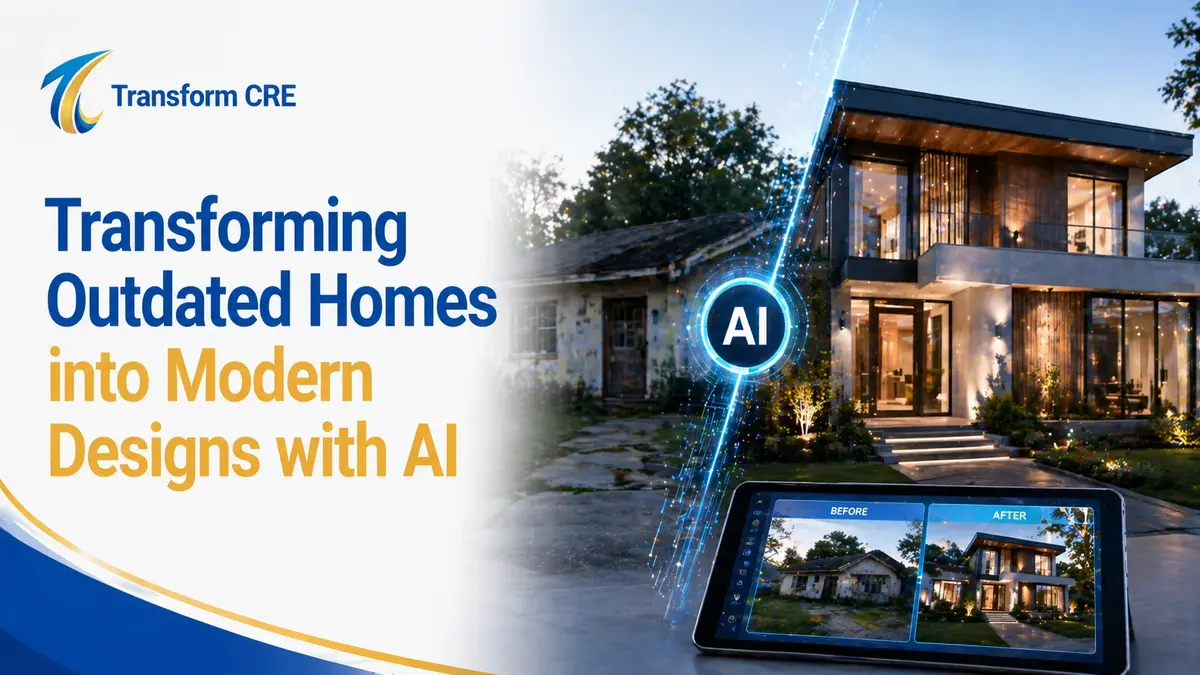
Renovating outdated home exteriors involves modernizing materials, simplifying design elements, and improving overall composition. Replacing worn or outdated siding, updating finishes, and refining structural details help align the home with current exterior design standards. Simplifying overly complex facades and correcting proportion issues can significantly improve visual balance. This process not only enhances appearance but also increases durability and long-term value.
Small changes with high visual impact
Small changes can deliver significant improvements in home exterior design. Upgrading the front door, replacing windows, and adding new trim or shutters can refine the facade and create stronger focal points. Adding exterior lighting enhances depth and highlights key features, while minor landscaping updates improve the surrounding environment. These focused improvements provide a cost-effective way to increase curb appeal and elevate the overall exterior design.
How to Choose the Best Exterior Design for Your Home
Choosing the best home exterior design requires evaluating style preferences, environmental conditions, and long-term performance. A well-informed decision ensures that the exterior is not only visually appealing but also durable, functional, and suited to its surroundings. The right approach combines aesthetics with practical considerations such as budget, climate, and sustainability.
Choosing between modern, traditional, or custom styles
Selecting the right architectural style is the foundation of exterior design. Modern home exterior design focuses on clean lines, minimal structure, and functional layouts. Traditional styles emphasize symmetry, detailed elements, and classic materials such as brick or wood. Custom designs offer flexibility, allowing homeowners to combine features from different styles to match specific needs. The best choice depends on how well the style aligns with the property type, surroundings, and personal preferences.
Impact of budget, climate, and location
Budget plays a significant role in determining material selection, design complexity, and overall project scope. Climate influences which materials perform best, as some are more suitable for heat, moisture, or cold conditions. Location also affects design decisions, including structural layout and compatibility with surrounding homes. Considering these factors ensures that the exterior design is practical, efficient, and well-adapted to its environment.
Designing for long-term value and sustainability
A strong exterior design should prioritize long-term value and sustainability. Durable materials reduce maintenance and improve lifespan, while energy-efficient features enhance performance and comfort. Choosing timeless styles over short-term trends helps maintain visual appeal over time. A well-designed exterior not only improves curb appeal but also ensures that the home remains functional, efficient, and relevant in the long run.
Outdoor and Surrounding Design Integration
Outdoor and surrounding design integration focuses on connecting the home exterior with its landscape and functional outdoor spaces. A well-integrated home exterior design extends beyond the facade to include landscaping, pathways, and outdoor living areas. This approach improves both visual continuity and usability, creating a cohesive environment where built elements and natural surroundings work together.
Landscaping and outdoor living spaces
Landscaping plays a key role in enhancing the exterior environment and supporting overall design composition. The placement of plants, trees, and garden elements helps soften the structure and add natural depth to the facade. Outdoor living spaces such as seating areas, patios, and relaxation zones increase functionality and comfort. A balanced combination of natural and built elements creates a more inviting and usable outdoor space.
Connecting exterior design with outdoor areas
A cohesive exterior design requires strong visual and functional connections between the house and its surroundings. Using consistent materials, colors, and finishes helps maintain continuity across spaces. Features such as pathways, entry transitions, and large openings create a smooth flow between indoor and outdoor areas. This integration ensures that the exterior design feels unified and supports both movement and visual harmony.
Functional outdoor features (patios, kitchens, pools)
Functional outdoor features enhance both usability and lifestyle value. Patios, decks, and outdoor kitchens provide practical spaces for daily use and social activities, while pools and open areas contribute to comfort and recreation. Proper layout planning ensures that these features are accessible, well-organized, and aligned with the overall exterior design. When integrated effectively, these elements expand the functionality of the home and strengthen the overall design system.
Latest Trends in Home Exterior Design
Home exterior design continues to evolve through changing lifestyle needs, advancements in materials, and shifts in architectural preferences. Modern trends focus on simplicity, efficiency, and stronger connections between indoor and outdoor spaces. These trends not only influence visual appearance but also improve performance, sustainability, and long-term usability.
Emerging exterior design trends
Current exterior design trends emphasize clean lines, minimal detailing, and uncluttered facades. Large windows and open structures are widely used to increase natural light and create a stronger connection with the outdoor environment. Outdoor living integration, including patios and seating areas, has become a standard feature in modern home exterior design. These trends reflect a move toward functional, adaptable, and visually balanced spaces.
Modern materials and architectural innovations
Advancements in materials and construction techniques are shaping the future of home exterior design. Composite materials, glass, and metal combinations are commonly used to improve durability and create a refined appearance. Energy-efficient and sustainable materials are increasingly preferred, helping reduce maintenance and improve environmental performance. Innovative construction methods also allow for more flexible layouts and efficient use of space, enhancing both design and functionality.
Evolution of design styles (e.g., modern European, farmhouse blend)
Exterior design styles are evolving by combining traditional and modern elements. Styles such as modern European and refined farmhouse integrate classic structure with simplified forms and contemporary materials. Older, more detailed styles are being streamlined to create cleaner and more adaptable designs. This evolution allows homeowners to achieve a balanced exterior that feels both timeless and current, while maintaining functionality and visual coherence.
Interior and Exterior Design Harmony
Interior and exterior design harmony focuses on creating a unified home where all elements follow a consistent visual and structural language. A well-integrated home exterior design should align with interior spaces in terms of materials, colors, and architectural style. This continuity improves overall aesthetics, strengthens cohesion, and enhances the experience of moving between indoor and outdoor environments.
Coordinating interior and exterior aesthetics
Coordinating aesthetics begins with aligning color palettes, materials, and design styles across both interior and exterior spaces. For example, exterior materials such as wood, stone, or finishes can reflect interior textures to create a seamless transition. Maintaining a consistent architectural style, whether modern, traditional, or transitional, ensures that the home feels unified rather than disconnected. This alignment enhances visual flow and creates a more balanced and refined design.
Consistent design language across spaces
A consistent design language is achieved by repeating key elements such as materials, shapes, finishes, and structural details throughout the home. Features like trim, textures, and architectural forms should complement each other across interior and exterior areas. Seamless transitions, such as large openings or connected outdoor spaces, further strengthen this relationship. Consistency in design ensures that the home exterior and interior function as a single cohesive system rather than separate environments.
Common Mistakes to Avoid in Exterior Design
A well-executed home exterior design depends on balance, material selection, and cohesive composition. Common mistakes can weaken curb appeal, reduce durability, and disrupt the overall structure. Avoiding these errors ensures that the exterior remains visually consistent, functional, and aligned with long-term performance.
Poor material and color selection
Choosing incompatible materials or poorly coordinated colors can negatively impact both appearance and durability. Materials that do not suit the climate may wear out faster, increasing maintenance requirements. Similarly, clashing or overly bold color choices can break visual harmony across the facade. A balanced combination of materials and a well-planned color palette are essential for a cohesive and durable exterior design.
Ignoring proportion and balance
Proportion and balance are critical in maintaining a well-structured facade. Misaligned windows, doors, or roof elements can create a disjointed appearance. Incorrect scale and spacing disrupt the overall composition and reduce visual clarity. Ensuring proper alignment, symmetry, and proportion allows all elements to work together, resulting in a more stable and visually appealing exterior.
Overdesigning or lack of cohesion
Overdesigning occurs when too many materials, styles, or decorative elements are used without a clear structure. This can lead to visual clutter and reduce the overall impact of the design. Mixing styles without consistency creates confusion and weakens the architectural identity. A more effective approach is to maintain simplicity and ensure that all elements follow a unified design language, resulting in a cohesive and refined home exterior.